Carol's retirement paycheck: turning savings into steady income
Recently widowed at 71, Carol rebuilds her income plan around what she can spend, how markets could affect her, and a changing tax picture.
6 min read
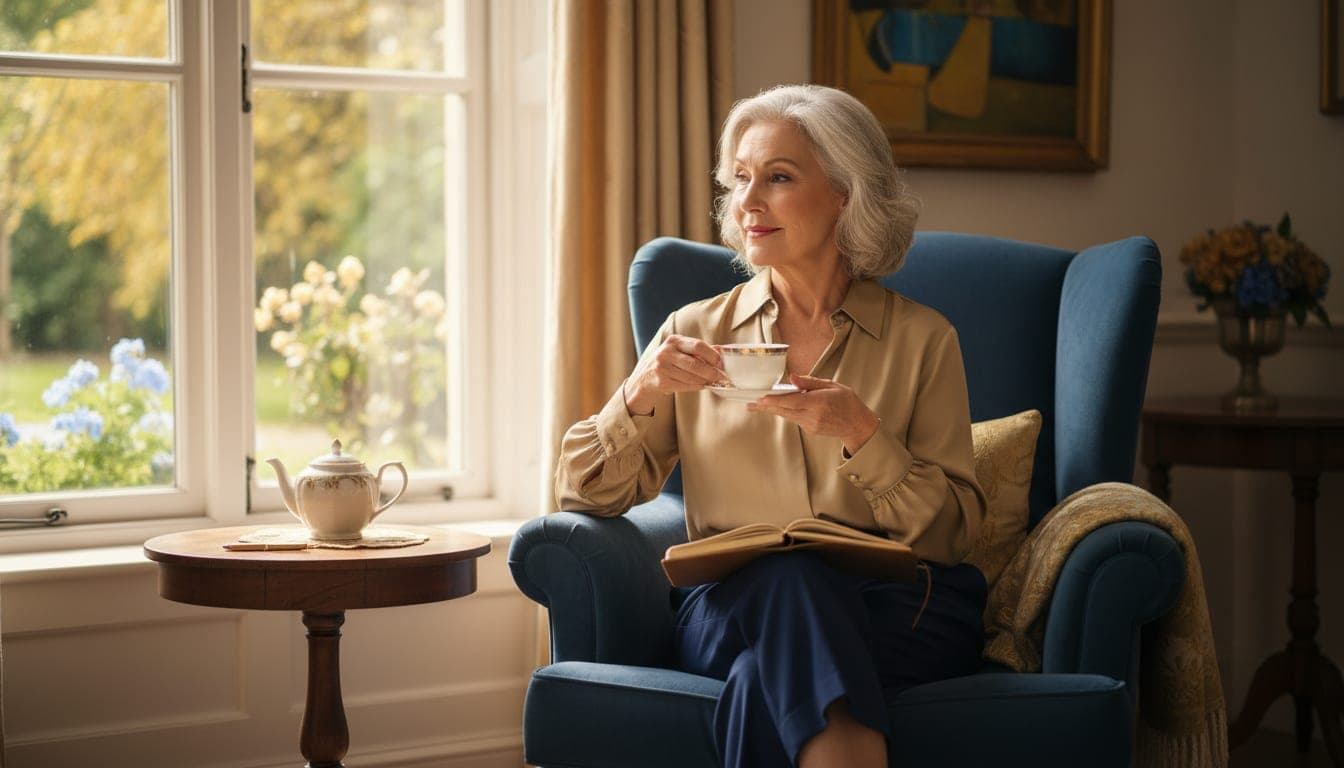
Carol and her husband had always handled their finances together, with him tracking the investments. When he passed away, she found herself with his IRA, her own IRA, a joint taxable account, and one Social Security check where there used to be two.
Her questions were simple and urgent. How much can I spend each year without running out? And what happens if the market falls right now? Friends and relatives offered plenty of advice, some of it conflicting, and some of it about products she did not understand.
The first months: no big decisions
The best advice Carol received was to avoid major, irreversible decisions for a while. She did not sell the house, buy an annuity, or move her investments in the first months. Instead, she focused on what had to be done.
She notified Social Security, and her monthly check changed: as a surviving spouse, she now receives the larger of their two benefits, but not both. She gathered death certificates, retitled the joint accounts, and contacted her husband's IRA custodian.
As his beneficiary, she had a choice about the IRA. A surviving spouse can roll an inherited IRA into her own, treating it as if it had always been hers, which is often the simplest path for someone Carol's age. She also learned that her husband's half of their joint taxable account generally received a step-up in cost basis to its value at his death, which reduced the capital gains tax if she sold those investments.
Finally, she updated her own beneficiary designations, which had named her husband, so that her accounts would pass to her children as she intended.
Finding a sustainable spending level
With the paperwork done, Carol turned to her spending. She listed her essential expenses (housing, food, insurance, healthcare) separately from the discretionary ones (travel, gifts to grandchildren, dining out). Social Security covered most of the essentials, so her savings mainly needed to fund the rest.
Instead of relying on a single rule of thumb, Carol looked at a range of possible market paths. A simulation showed how her savings might hold up across thousands of scenarios at different spending levels, and which level kept the odds of running short low enough for her comfort.
She also built in flexibility. If markets did well, she could give a bit more to her grandchildren; in a bad year, she would trim travel first. Being willing to adjust discretionary spending by a modest amount made the plan much more resilient than a fixed number she had to hit no matter what.
Protecting against a bad start
She learned about sequence-of-returns risk: a market decline early in retirement, while withdrawals are under way, can do more lasting damage than the same decline years later, because money withdrawn after a drop is not there to recover.
To soften that, she kept about two years of planned withdrawals in cash and short-term bonds. In a downturn, she could draw from that reserve instead of selling stocks at low prices, and refill it after markets recovered.
A changed tax picture
In the year of her husband's death, Carol could still file a joint return. After that, without a dependent child at home, she files as single. Her income did not fall by half, but the tax brackets and Medicare premium thresholds that apply to her roughly did. Many surviving spouses see higher taxes on similar income, sometimes called the widow's penalty.
Medicare premiums were a specific concern, because they are based on income from two years earlier, when it was reported on a joint return. Carol learned that the death of a spouse is a life-changing event that lets her ask Social Security to base her premium on her current, lower income instead.
She also benefits from the additional federal deduction for people 65 and older, including the temporary senior deduction that runs through 2028. For single filers, that deduction phases out as income rises above $75,000, another reason to keep an eye on her taxable income.
RMDs and charitable giving
Required minimum distributions from her IRAs begin at 73, adding to her taxable income whether she needs the money or not. Combining her husband's IRA with her own made those distributions larger.
Carol has always given to her church and a local food bank. She learned that once she turned 70½, she could make qualified charitable distributions (QCDs) directly from her IRA to charity. A QCD is not included in her taxable income and, once RMDs begin, can count toward her required amount. For someone who already gives, it can be a more tax-efficient way to do it than writing checks from her bank account.
Thinking about her heirs
Carol's children will likely inherit what she does not spend. Under current rules, most non-spouse beneficiaries must empty an inherited IRA within ten years, often during their own peak earning years, when their tax rates are high.
She reviewed the withdrawal order between her taxable account and her IRAs and is considering whether modest Roth conversions in her lower-income years would leave her children with assets that are less costly for them to inherit. It is a decision she plans to make carefully, with the full tax picture in front of her.
The characters in this story are not Ramion Capital clients. Figures are hypothetical and rounded, assumed returns are not guarantees, and tax rules change. This content is educational only and is not investment, tax, legal, or Social Security advice. Ramion Capital is not currently accepting clients pending regulatory approval.